
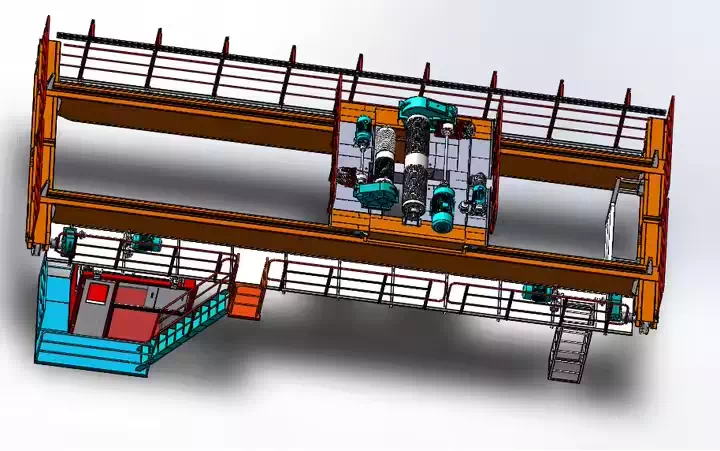


- A6
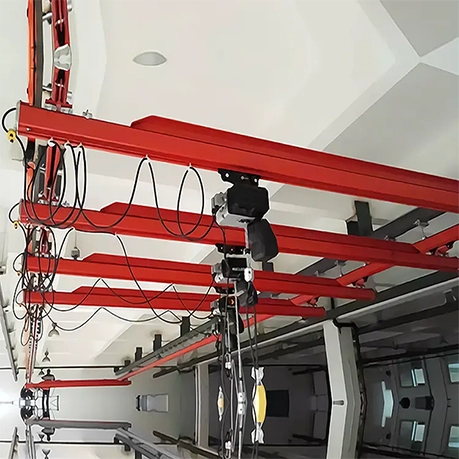
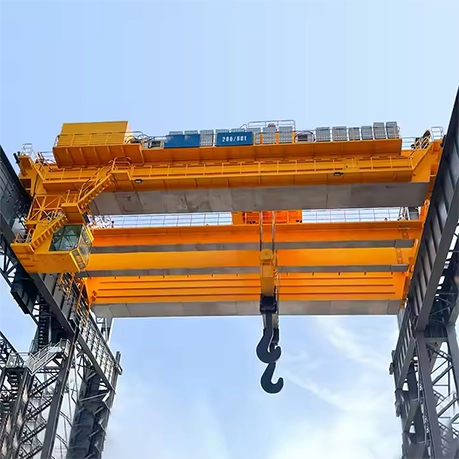
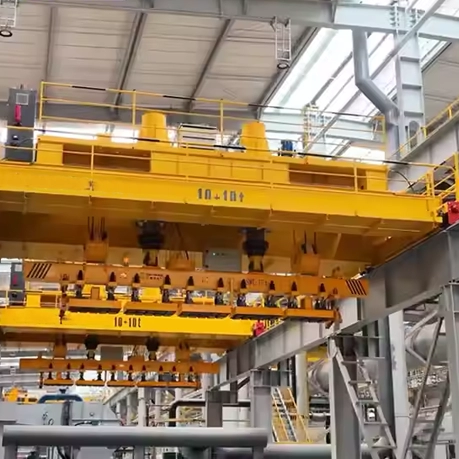
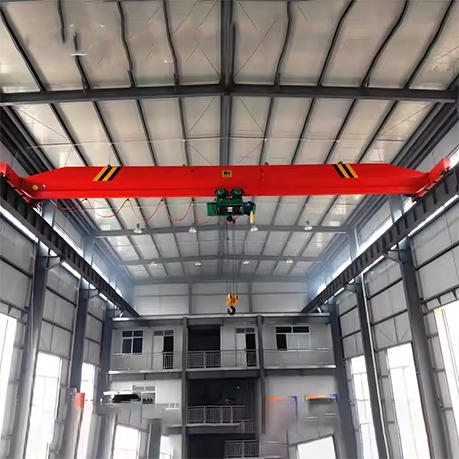
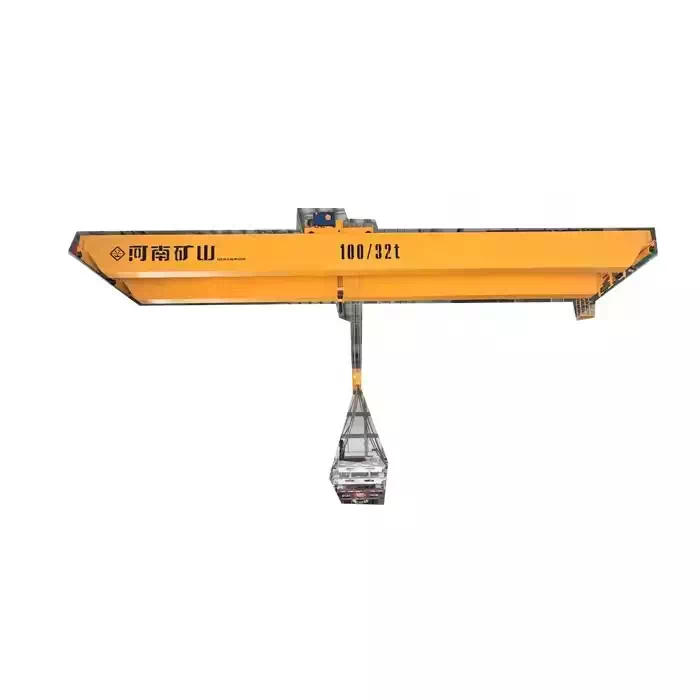
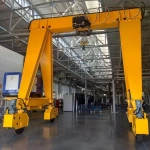
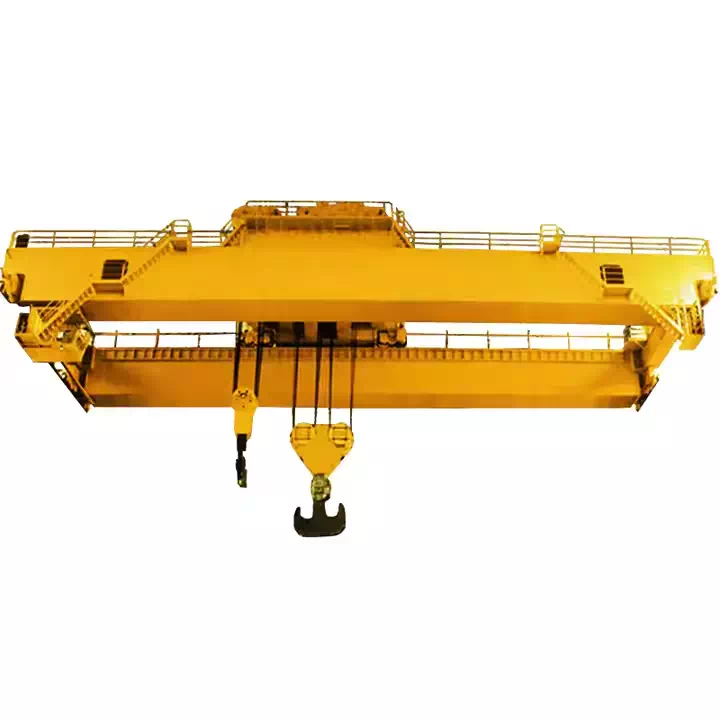
This industrial overhead crane integrates robust structural design with intelligent control systems to deliver reliable lifting performance across demanding applications. The core framework utilizes Q235B/Q345B carbon steel, formed through seamless single-pass manufacturing for superior load-bearing integrity and long-term durability.
Key Operational Systems & Safety Mechanisms:
Load Management: Precision overload limiter with motor protection (F-class insulation) prevents hazardous lifting conditions.
Movement Control: Dual-directional limit switches regulate hoist elevation and travel paths, while interlocking guards ensure synchronized operation.
Collision Prevention: Integrated anti-collision buffers, track sweeps, and bus bar shields create multiple protection layers.
Emergency Response: Main disconnect switch coupled with instant-stop circuitry enables rapid shutdown capability.
Component Engineering:
Lifting Assembly: Direct-drive winch trolley distributes weight evenly across end beams through optimized force transmission.
Load Handling: Compatible with ZPMC-brand spreaders and customizable attachments (grabs, magnets, slings) for material-specific solutions.
Mobility System: Vacuum-cast wheels with compact rotor assemblies ensure smooth traversal along runway beams.
Certified Performance:
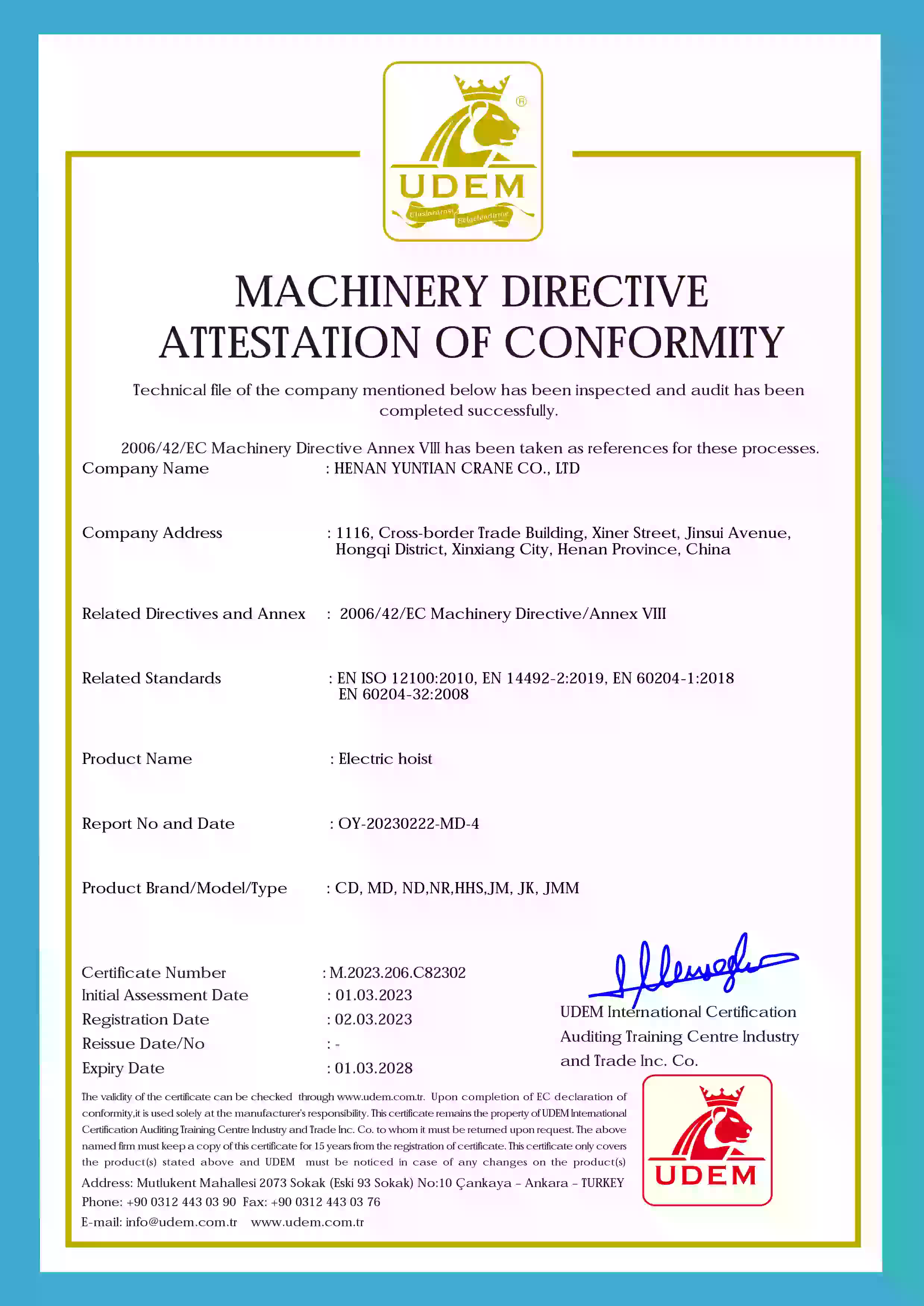
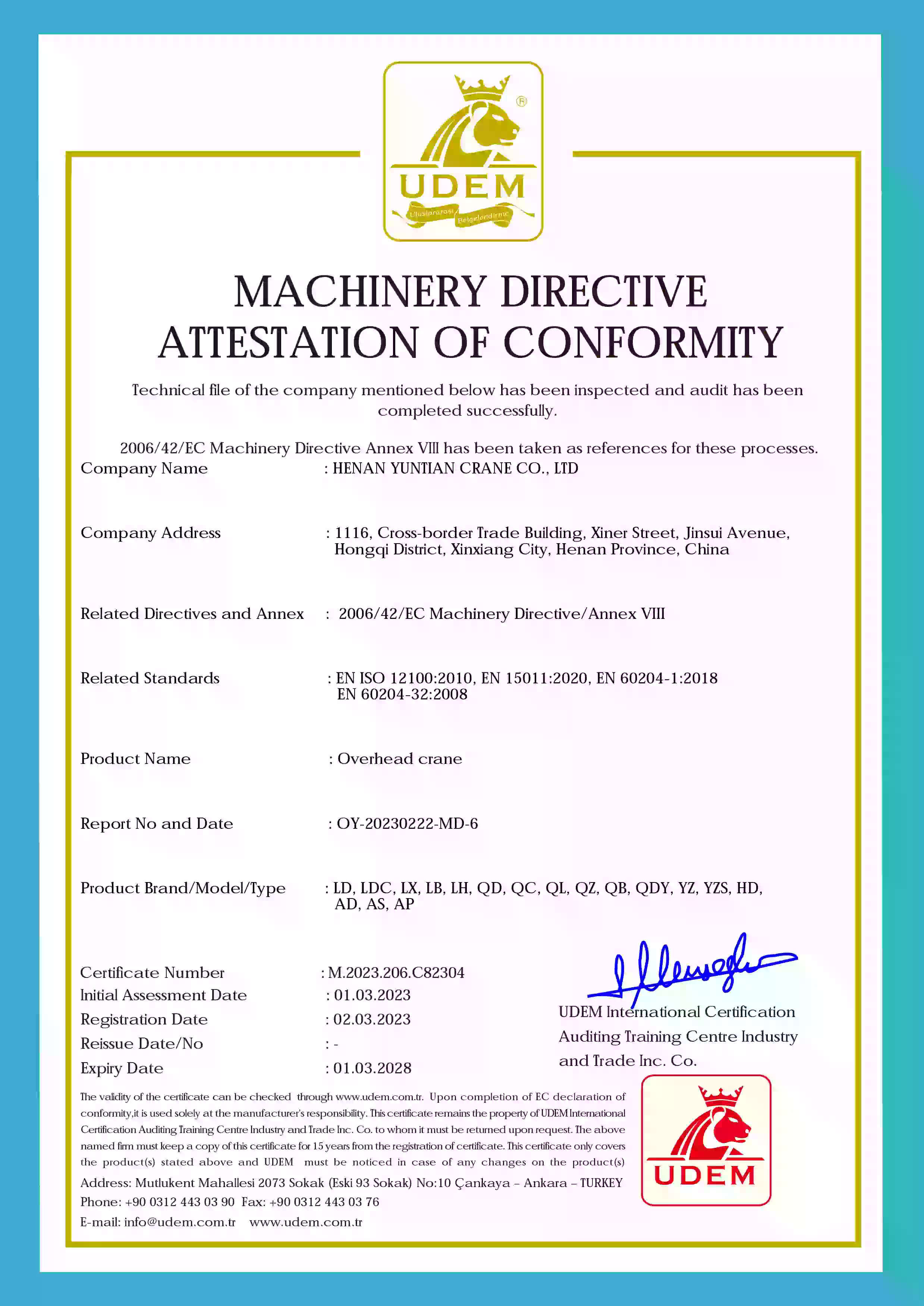
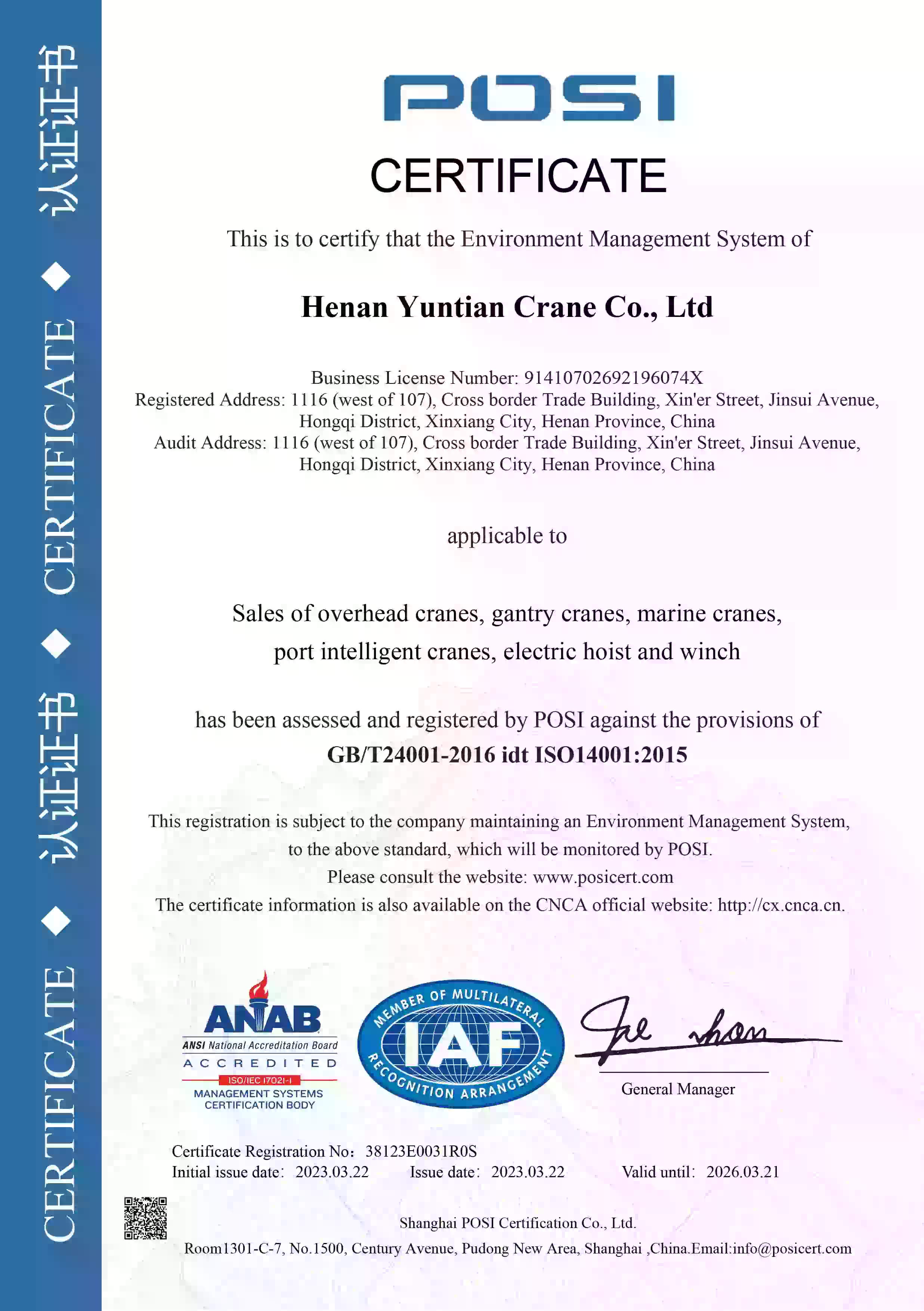
Rated for A7 work duty with ISO/CE/GOST certifications. Standard safety package includes voltage fluctuation protection, dual travel limiters, and emergency stop redundancy.
Configuration Guidance:
For project-specific proposals, provide:
Lift capacity (tonnage) & span dimensions
Required elevation height & power supply specifications
Operational environment details (hazardous/explosion-proof requirements available)
Technical Support:
Our service network includes factory-trained engineers for installation supervision and operational training. Customizable solutions available for specialized lifting tools and environmental adaptations.
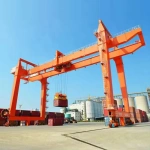
Our dual-purpose bridge crane system delivers exceptional versatility for bulk material handling and heavy load operations across multiple industrial sectors. Engineered to switch seamlessly between grab and hook functionalities, this equipment addresses diverse lifting challenges with precision and reliability.
Primary Operational Environments:
Bulk Material Processing Facilities
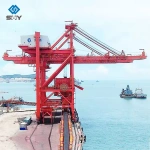
Port Terminals & Logistics Hubs: Efficiently manages ship-to-shore transfer of bulk commodities including iron ore, coal, and agricultural products. The grab mechanism ensures rapid unloading of loose materials while reducing spillage and operational downtime.
Power Generation Plants: Handles fuel management operations from storage yards to processing units. Capable of stacking, reclaiming, and feeding biomass, coal, or other combustible materials into production systems.
Industrial Manufacturing Operations
Metallurgical & Smelting Complexes: Maintains continuous production flow by charging raw materials into furnaces and handling molten material containers. The hook attachment facilitates mold transportation and equipment maintenance.
Chemical Processing Facilities: Safely manages powdered chemicals and granular raw materials with specialized grabs, while the hook system handles reactor components and process equipment.
Construction & Infrastructure Projects
Building Material Yards: Handles aggregate materials including sand, gravel, and cement with precision grabbing action. Simultaneously manages prefabricated concrete elements and structural steel using the hook configuration.
Industrial Plant Construction: Supports installation of heavy machinery and processing equipment during facility expansion or renovation projects.
Key Operational Advantages:
Rapid attachment switching minimizes operational downtime
Precision control for both bulk materials and structured loads
Adaptable to various material characteristics and handling requirements
Enhanced safety protocols for hazardous material management
This dual-capability crane system serves as a comprehensive solution for operations requiring frequent transitions between bulk material handling and precision lifting tasks. Its design addresses the specific demands of continuous production environments where equipment versatility directly impacts operational efficiency and throughput capacity.