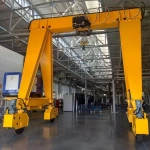
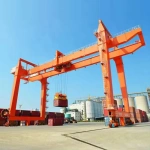
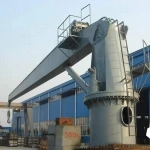
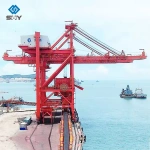


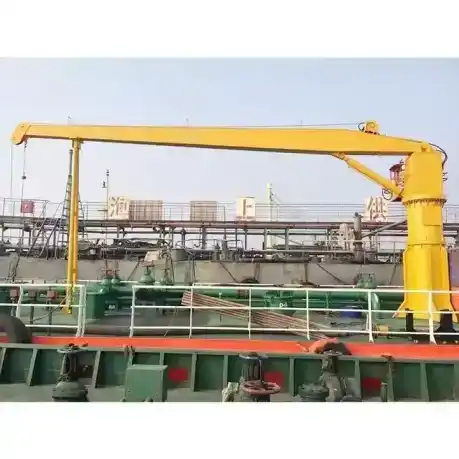


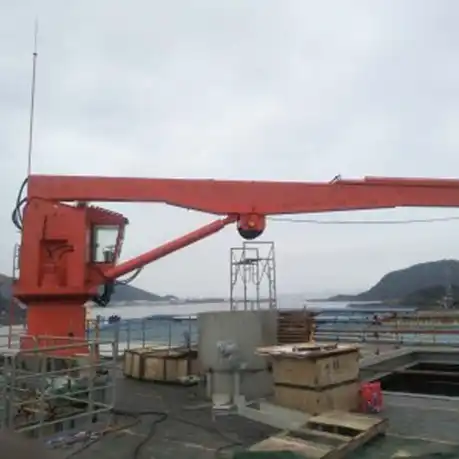
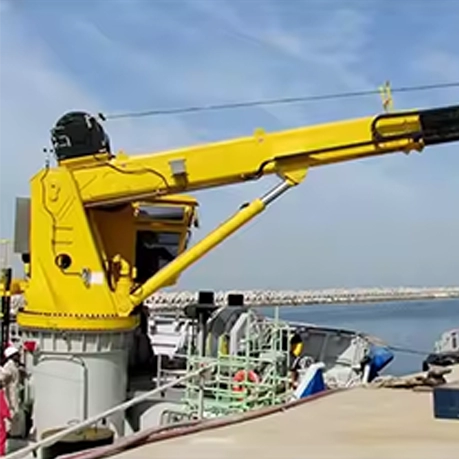
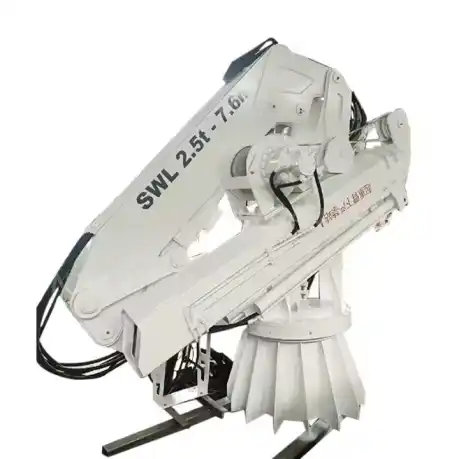
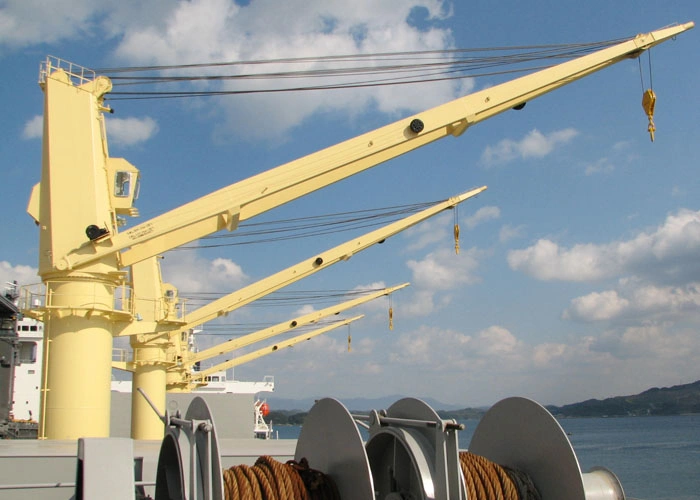
What is a Offshore Crane?
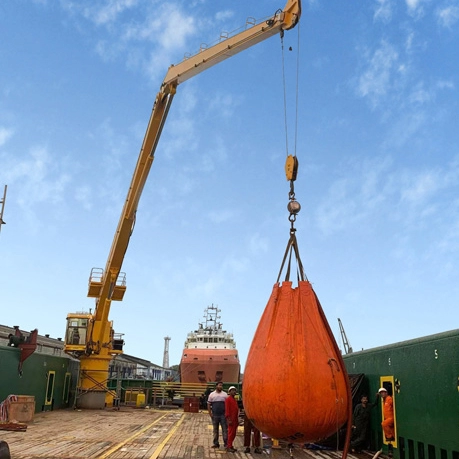
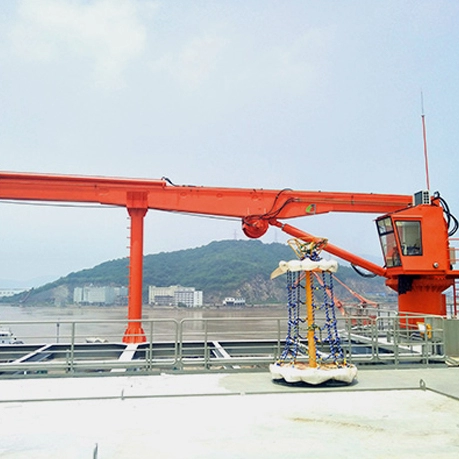
YUNTIAN GROUP CRANE brings years of specialized expertise in offshore lifting solutions, supported by advanced engineering and reliable performance. Each crane is built for demanding marine environments, with configurations that include either a hydraulic power unit (HPU) or an electric winch. These core components can be positioned directly on the crane structure or installed below deck for optimized space utilization and stability.
All crane motions—such as various tension settings, auxiliary operations, and towing winch functions—are managed through a robust and user-friendly control system, developed in-house for precision and operational ease.
Features of Offshore Crane
Key Features & Specifications
Safe Working Load (SWL): from 1 to 40 tonnes
Maximum outreach: between 10 and 40 meters
Available in multiple boom configurations: fixed, knuckle-jib, or telescopic designs
Integrated Load Moment Indicator (LMI) for enhanced safety during lifts
A fully-equipped, air-conditioned operator cabin offering spacious and ergonomic working conditions
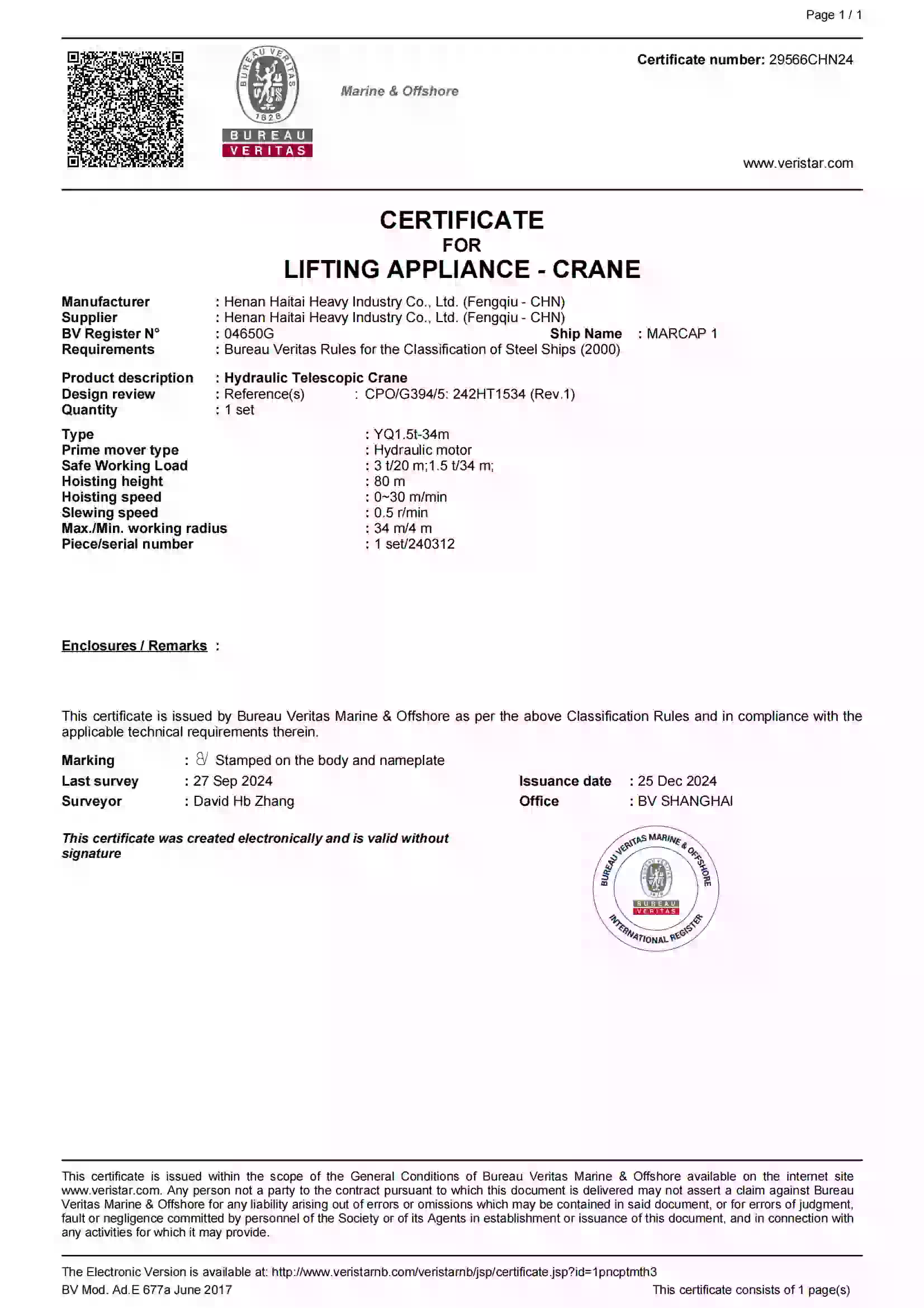
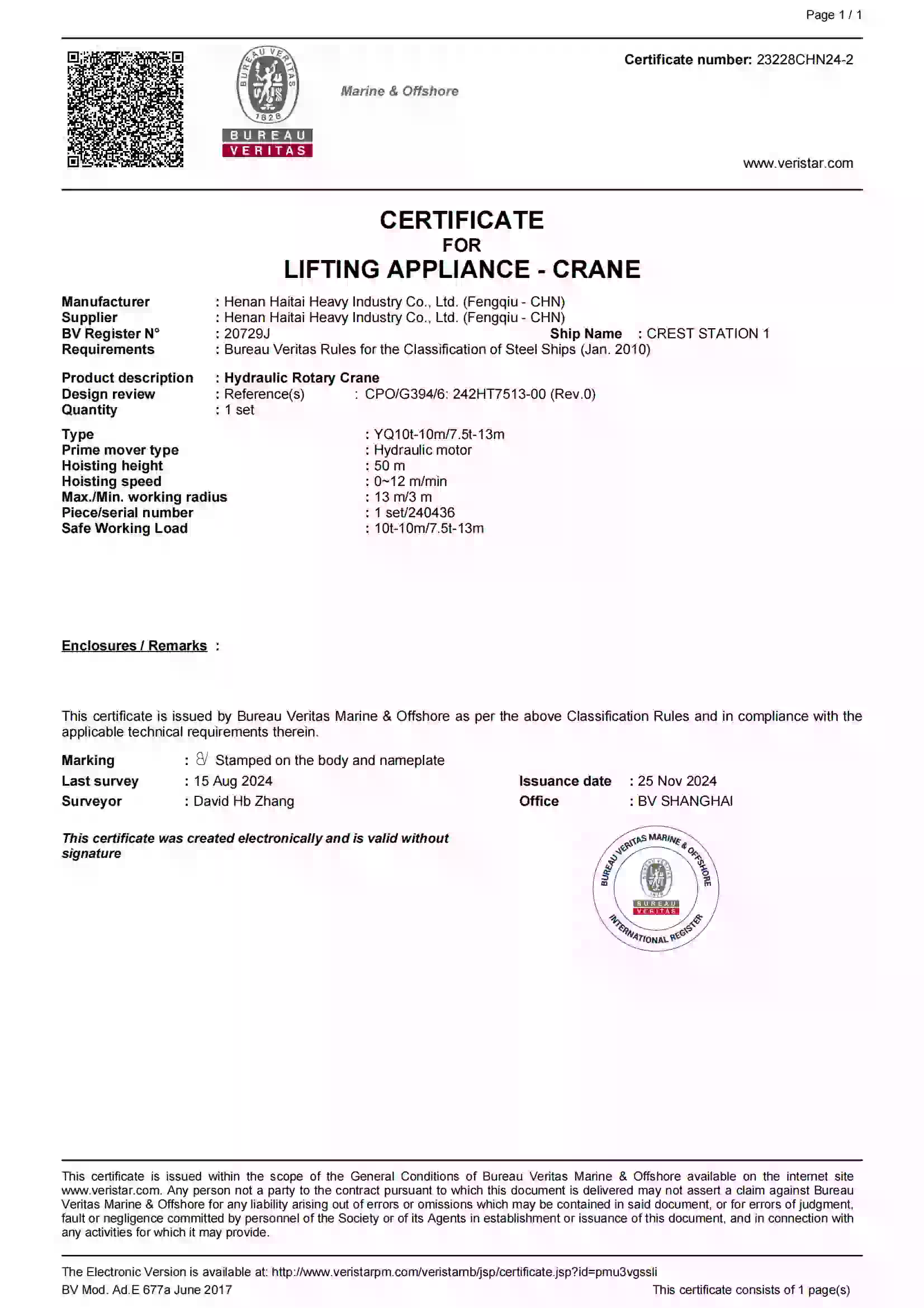
Optional certifications available for ship-to-ship transfers and personnel lifting
Optional hydraulic system air cooler for sustained performance in high-temperature conditions
Customizable explosion-proof design for operation in hazardous zones
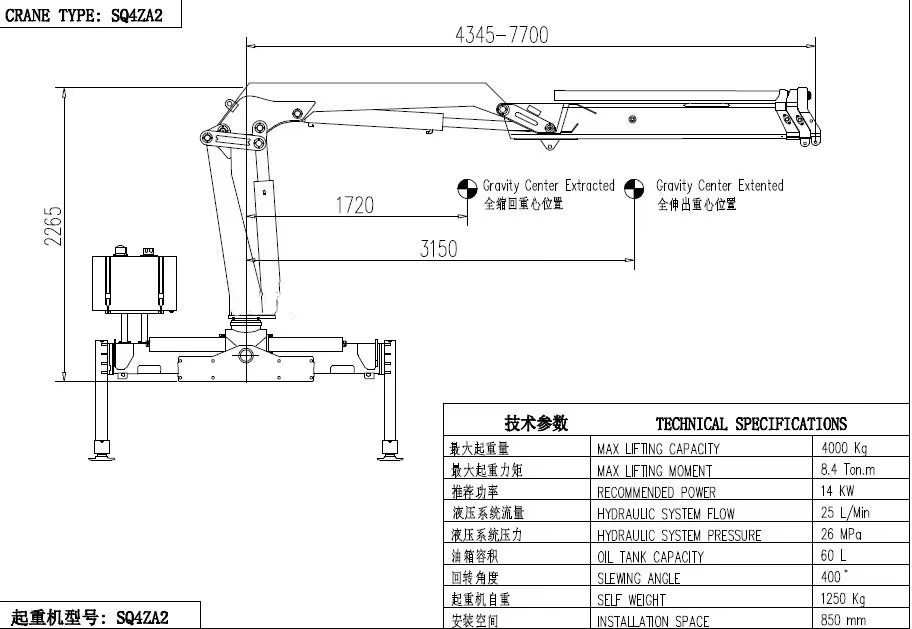
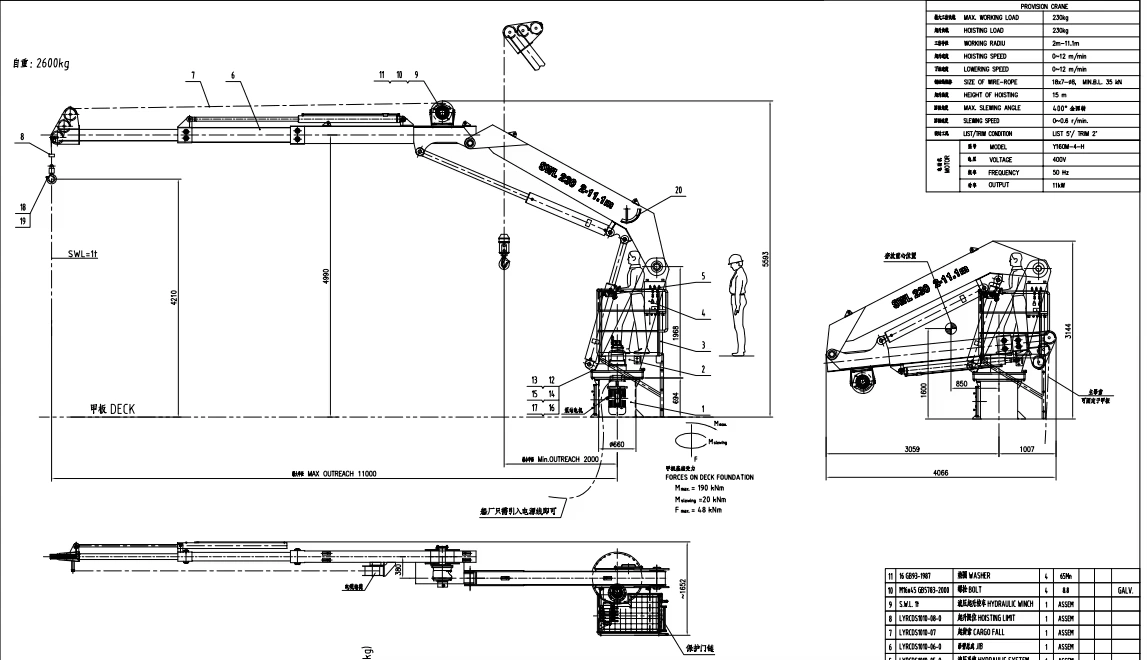
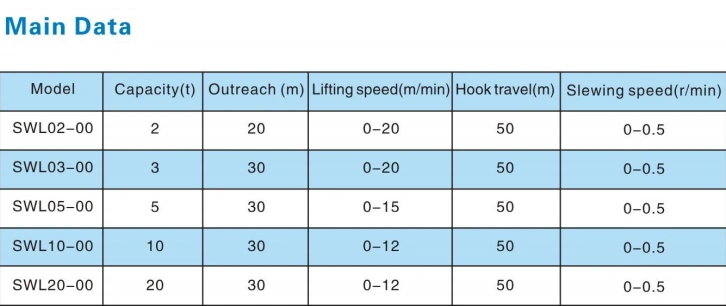
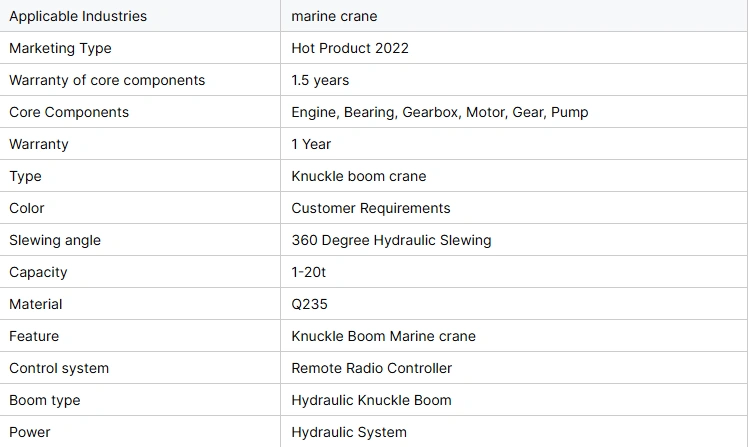
Technical Parameters of Offshore Crane
Application of Offshore Crane
Designed to excel in harsh marine settings, Haitai offshore cranes deliver superior safety, corrosion resistance, and dependable performance even under extreme weather conditions. These cranes are integral to shipbuilding, maintenance, and supply operations—handling everything from cargo transfer to personnel lifting with precision. Built to perform reliably in challenging offshore settings, they also support subsea missions by deploying and recovering underwater equipment with accuracy.
Primary Applications of Offshore Cranes
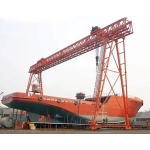
1. Shipyard Operations: Construction and Maintenance
In ship construction and repair yards, offshore cranes streamline the movement of heavy structural parts, propulsion units, and oversized machinery. They help assemble vessel sections and assist in replacing essential components—shortening project timelines and improving workflow efficiency in demanding industrial environments.
2. Marine Cargo Transfer
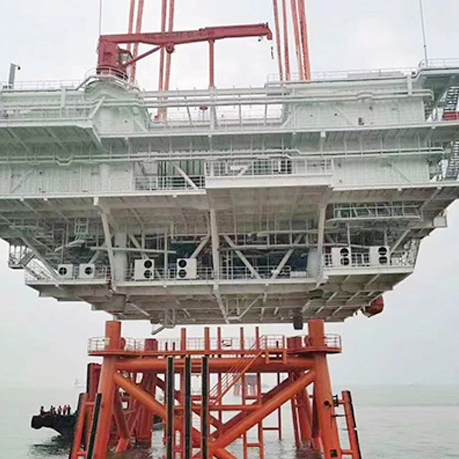
From containers to specialized project cargo, offshore cranes enable smooth loading and unloading between ships and offshore installations. Their durable design and high wind resistance ensure continuous operation in rough seas, protecting both personnel and goods during transfer.
3. Subsea Equipment Deployment
These cranes are vital for underwater operations, launching tools such as ROVs (remotely operated vehicles), sensors, and maintenance gear used in seabed exploration, pipeline inspection, and offshore research. Their steady control allows delicate equipment to be placed or recovered safely in unpredictable subsea conditions.
4. Emergency and Salvage Support
When marine incidents occur—such as submerged asset retrieval, spill response, or vessel recovery—Haitai cranes offer the strength and flexibility needed for rapid intervention. They help clear wreckage, retrieve valuable equipment, and restore operational safety in urgent scenarios.
In Summary
Haitai offshore cranes stand out for their structural strength, operational adaptability, and consistent performance in tough marine settings. Whether supporting daily logistics, underwater tasks, or emergency response, they provide the reliability required for modern maritime and offshore activities.